

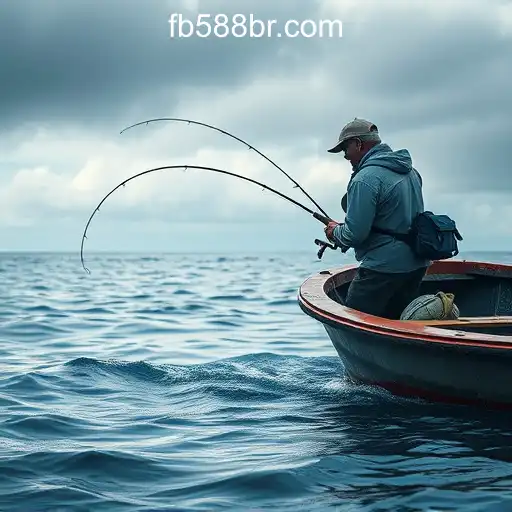
Fishing: A Timeless Tradition Embracing Modernity
Fishing, an age-old activity, has woven its way through centuries as both a method of sustenance and a beloved pastime. From the serene banks of a quiet stream to the bustling docks of maritime cities, fishing's allure has captivated countless individuals across generations. As with many traditional practices, fishing has seamlessly embraced modern advancements, ensuring its relevance in contemporary society.
The Evolution of Fishing Techniques
Historically, fishing was a vital necessity for survival. Ancient communities developed rudimentary techniques to catch fish such as hand gathering, spearing, and trapping. Over time, these methods evolved into more sophisticated practices, incorporating intricate netting and line techniques. The industrial revolution marked a significant turning point in fishing, introducing mechanized elements that greatly enhanced efficiency.
In recent years, fishing has further transformed with advancements in technology. Fish finders, GPS systems, and modern tackle innovations have revolutionized the way fishing is conducted. These tools not only improve the experience but also promote sustainable fishing practices, allowing fish populations to thrive.
Fishing: Bridging the Gap Between Tradition and Modernity
Today, fishing represents a fascinating blend of tradition and modernity. While technology plays a pivotal role, the essence of fishing remains unchanged. Anglers still cherish the quiet serenity of waiting for a bite and the thrill of reeling in a catch. The balance between utilizing modern tools and preserving age-old techniques underscores fishing's enduring appeal.
Moreover, fishing has been instrumental in fostering familial and community bonds, often passed down through generations as a shared tradition. The lessons learned through fishing—patience, resilience, and respect for nature—resonate deeply in today’s fast-paced world.
Conservation Efforts and Sustainable Fishing
With the increase in global awareness surrounding environmental issues, sustainable fishing practices have gained significant attention. Many nations have implemented strict regulations to protect aquatic ecosystems, ensuring that fish populations remain stable for future generations. Catch-and-release techniques, size limits, and seasonal restrictions are some measures that have been adopted to maintain the delicate balance between fishing and conservation.
Organizations worldwide continue to promote sustainable fishing, and these efforts have been supported by the fishing community at large. Anglers today are often well-informed about the ecological impact of their activities and willingly adhere to guidelines designed to preserve aquatic life.
The Economic and Social Impact of Fishing
Fishing contributes significantly to the global economy, supporting livelihoods in numerous coastal and inland regions. From commercial fishing operations supplying markets with seafood to recreational fishing businesses catering to tourists, the industry provides employment to millions. In many areas, local economies are heavily reliant on fishing, making sustainable practices both an ecological and economic necessity.
Socially, fishing fosters community engagement and offers therapeutic benefits. Community fishery events, competitions, and festivals celebrate this timeless activity, promoting camaraderie and a sense of belonging among participants.
Fishing as Leisure and Sport
Beyond its economic and subsistence roles, fishing is globally recognized as a relaxing recreational activity and competitive sport. Many find solace in the rhythmic ebb and flow of casting lines and the meditative qualities of being in nature. It offers an escape from daily routines, allowing individuals to reconnect with the natural world.
Competitive fishing has gained significant traction, with tournaments attracting participation from amateur and professional anglers alike. These competitions often incorporate conservation elements, encouraging participants to respect their environmental impact.
The Role of Technology in Modern Fishing
Technology has undeniably reshaped the landscape of modern fishing. Innovations such as sonar technology, electronic reels, and advanced navigation systems have enhanced the fishing experience, making it more accessible and efficient. These tools allow anglers to locate and identify fish with precision, optimizing their efforts and reducing the chance of overfishing particular areas.
Furthermore, apps and social media platforms have transformed fishing into a digitally connected community. Anglers can share insights, weather conditions, and tips in real-time, fostering a sense of global community among enthusiasts.
Embracing Diversity: Fishing in Different Cultures
Fishing features prominently in cultures worldwide, with each region boasting unique techniques and traditions reflective of its local environment and resources. For instance, ice fishing is a popular practice in northern regions with long, harsh winters, while in tropical areas, spearfishing emerges as a common method due to the abundance of coral reefs.
Moreover, cultural festivals often center around fishing, celebrating the significance of this vital activity in everyday life. These events highlight the diverse cultural tapestry that fishing weaves across the globe, showcasing its universal appeal.
FB588.com Oficial Slots Brasil #1: Bridging Interests
For those interested in exploring other leisure activities alongside fishing, platforms like FB588.com Oficial Slots Brasil #1 offer diverse entertainment options. By introducing a blend of traditional pastimes and modern gaming, enthusiasts can experience the thrill of both worlds.
As fishing continues to evolve, it remains steadfast in its promise of adventure, tranquility, and community connection. This cherished tradition, intertwined with modern advancements, will undoubtedly continue to captivate hearts and sustain livelihoods for generations to come.